
Allergy & Anaphylaxis Bags for Kids
Living with food allergies means planning ahead - every day.
From school lunches and playdates to family outings and travel, many families need to carry allergy essentials with them at all times.
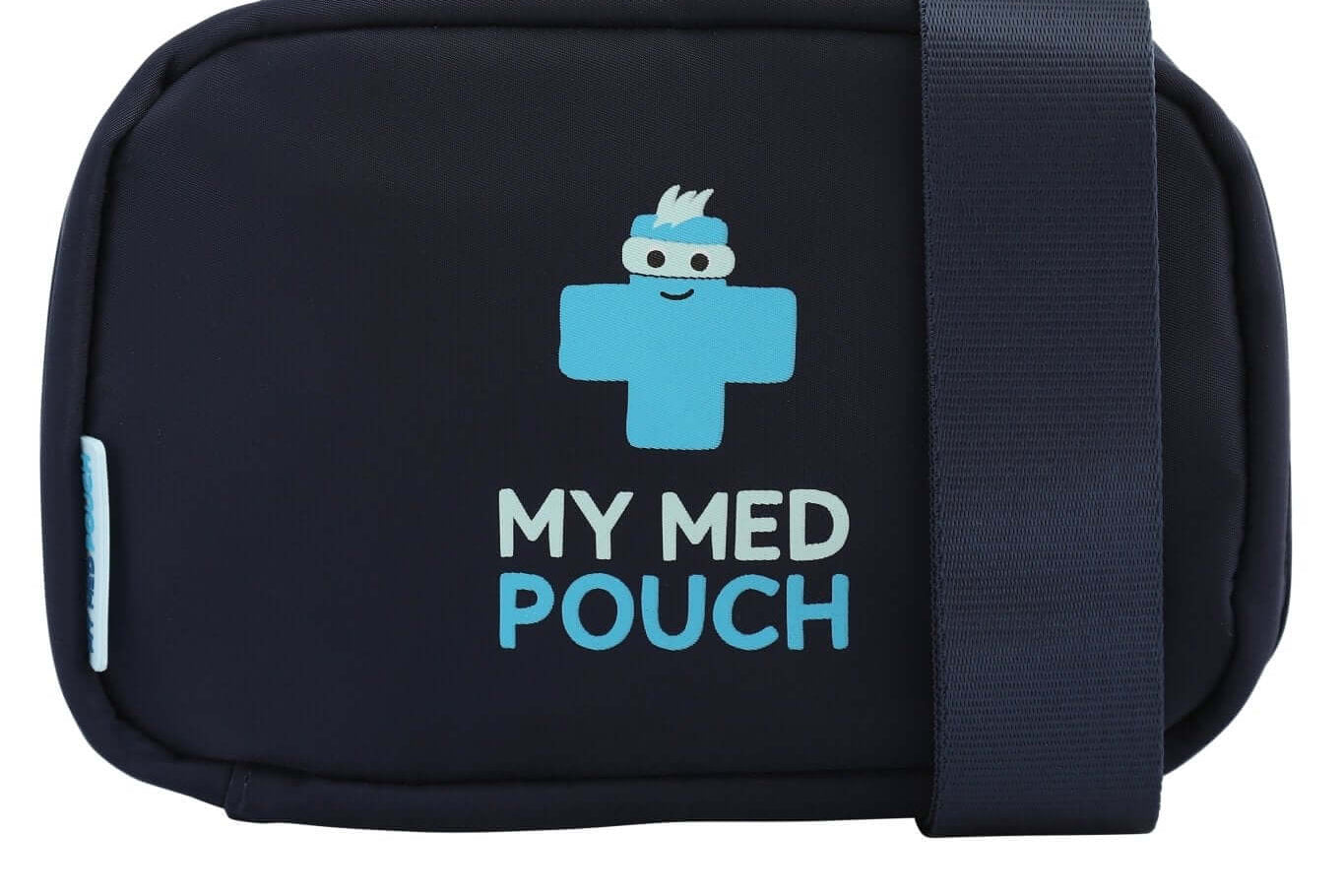
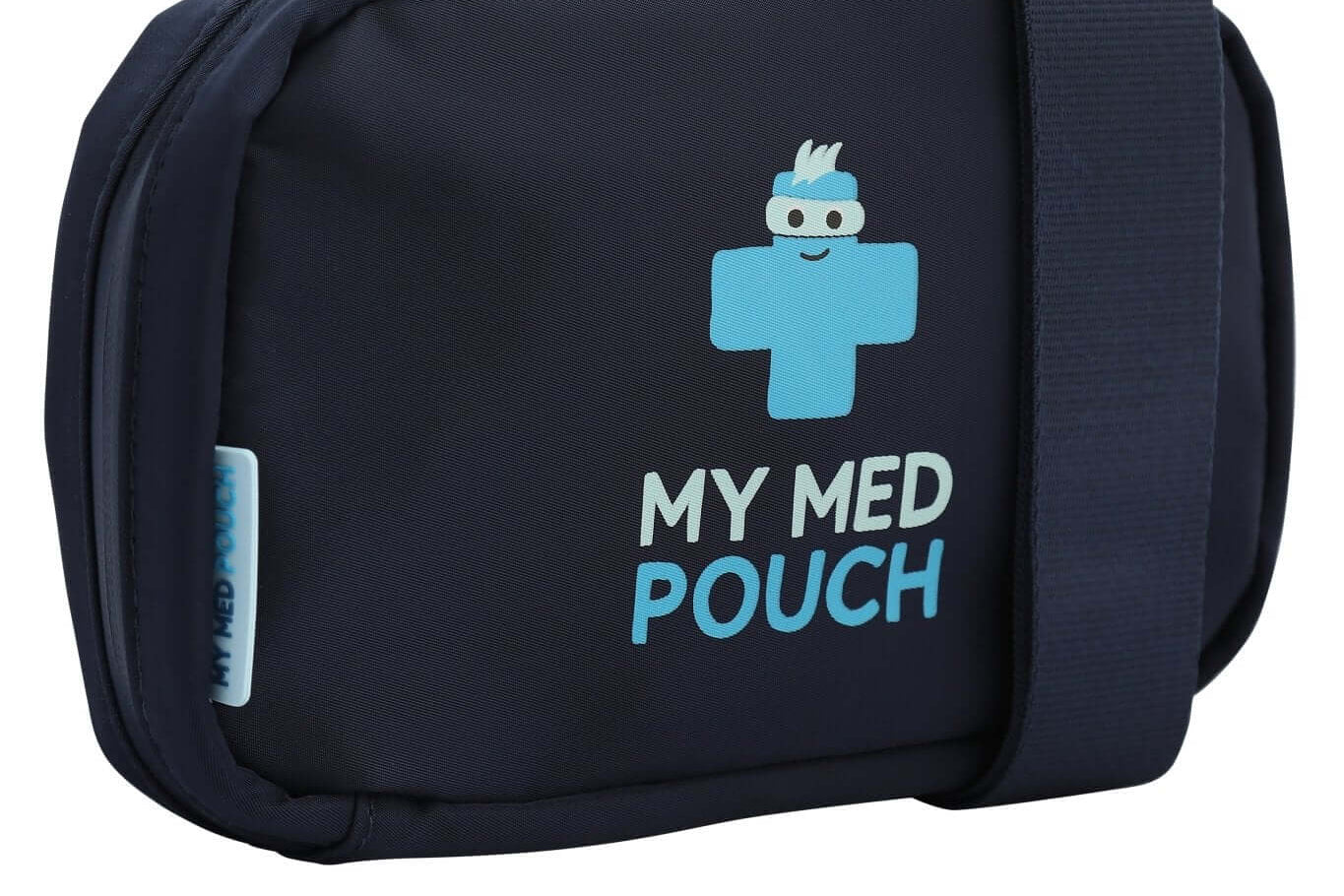
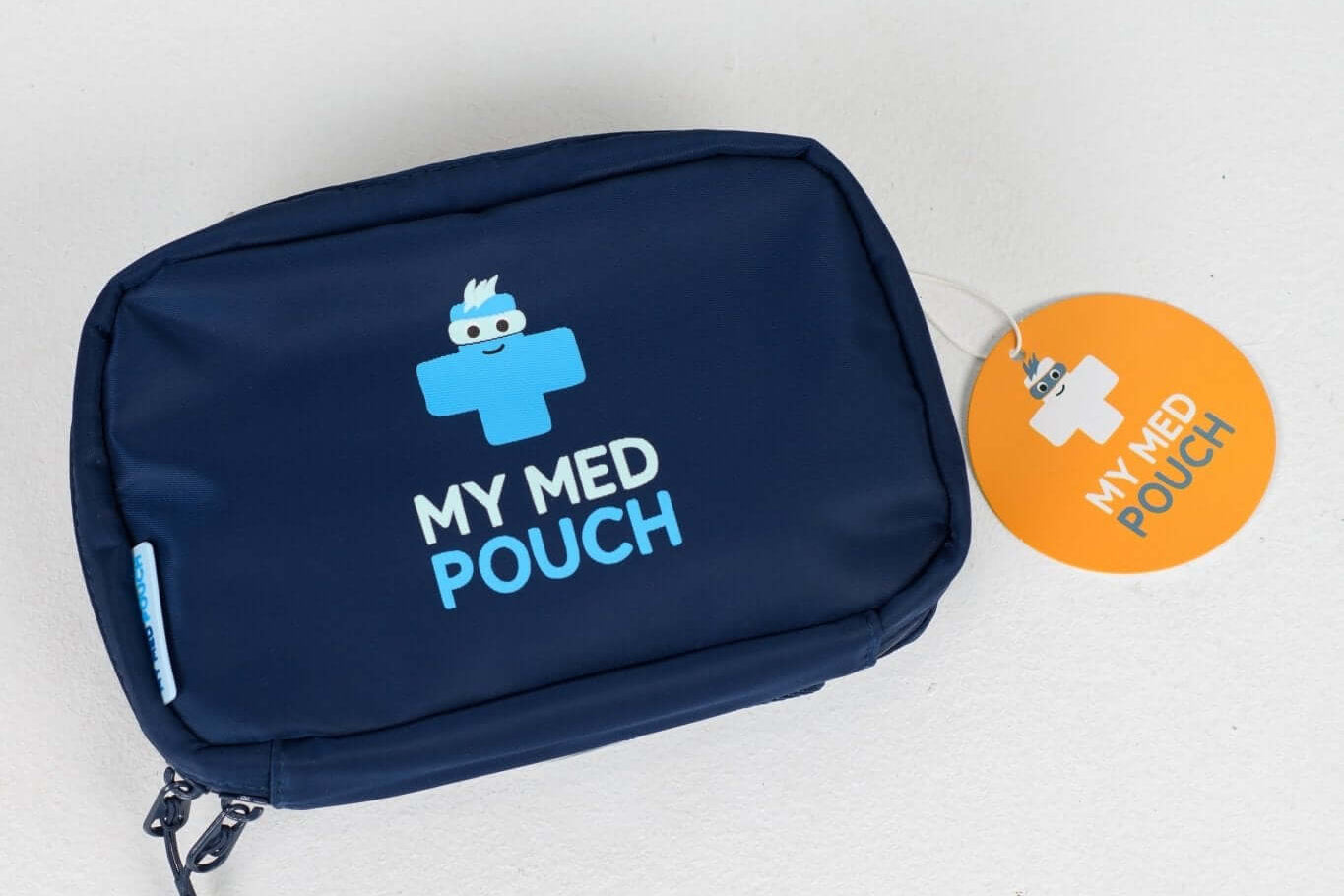
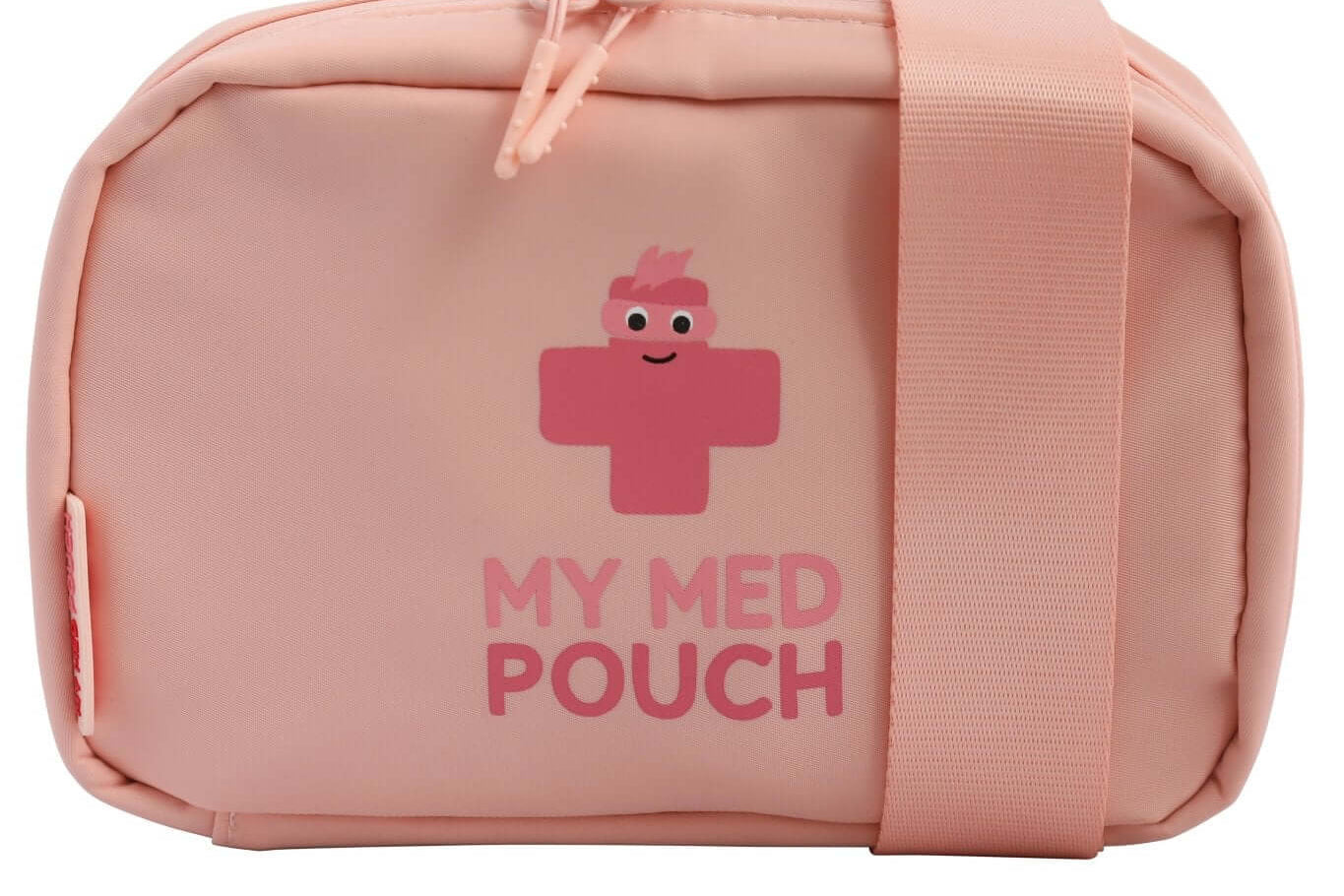
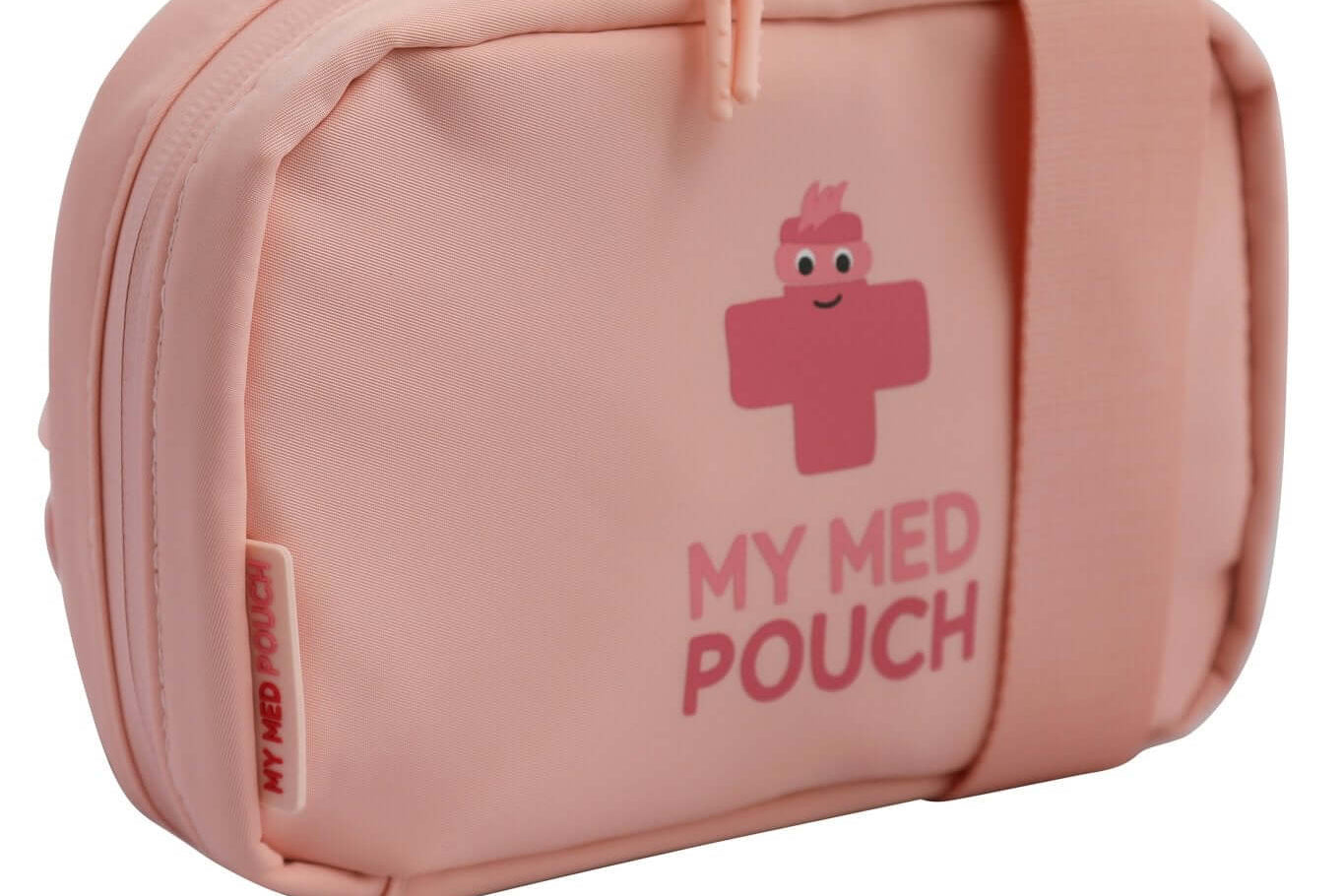
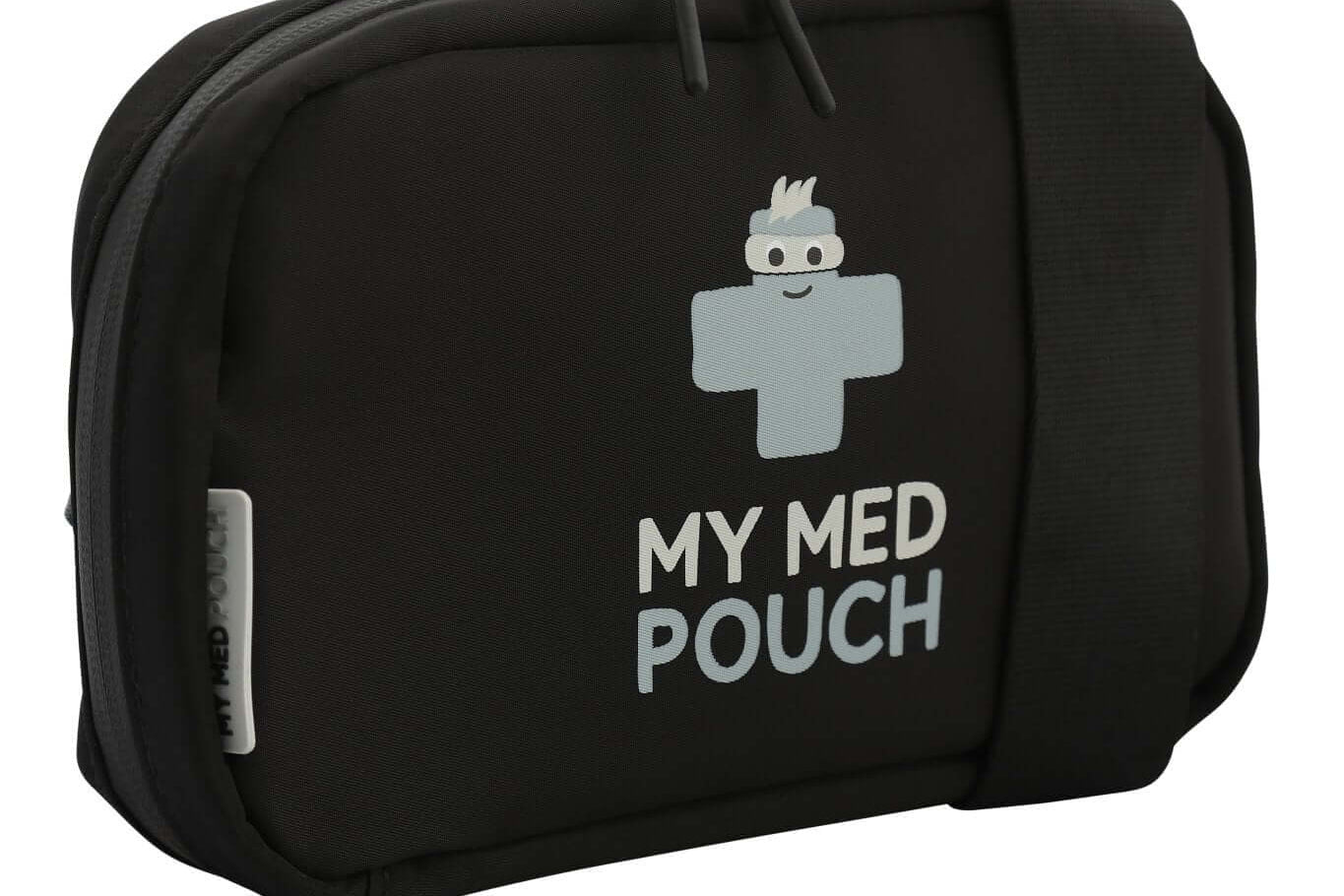
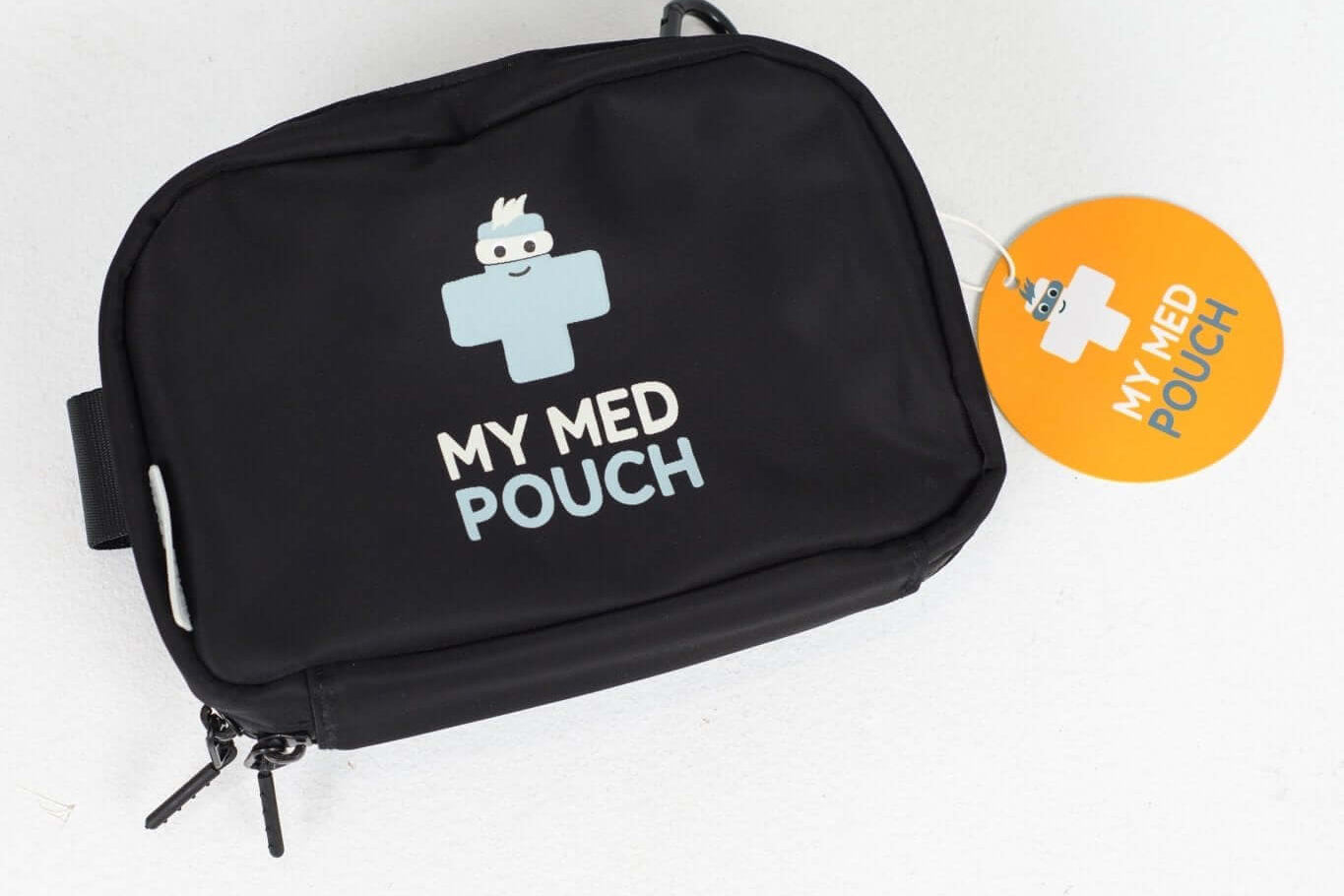
Our Med Ready Bags are compact, insulated allergy bags designed to help keep those essentials organised, visible, and easy to carry. Practical enough for everyday use, and comfortable for kids to wear, they’re made to fit into real life - not just for emergencies.


Packing your child’s allergy essentials
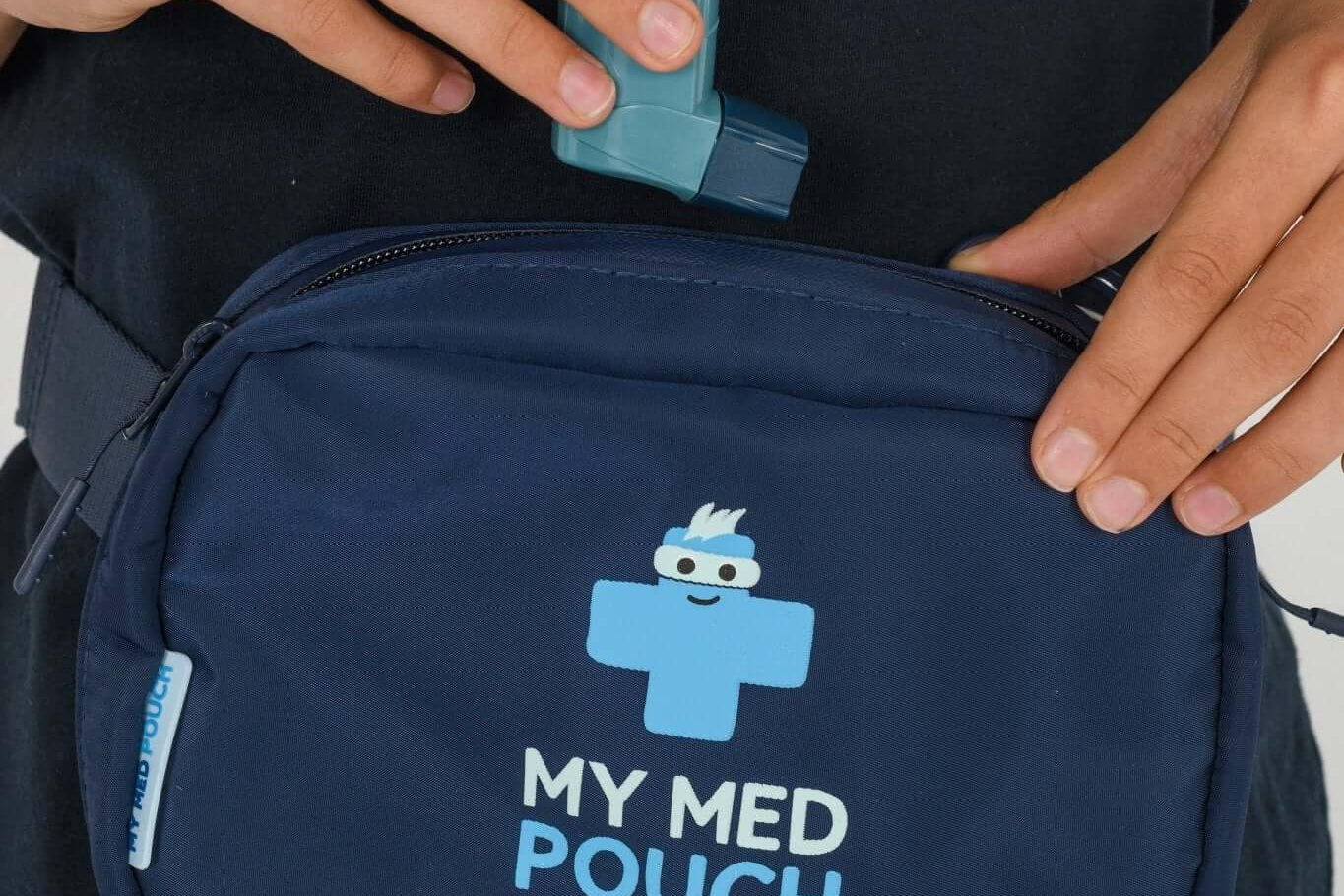
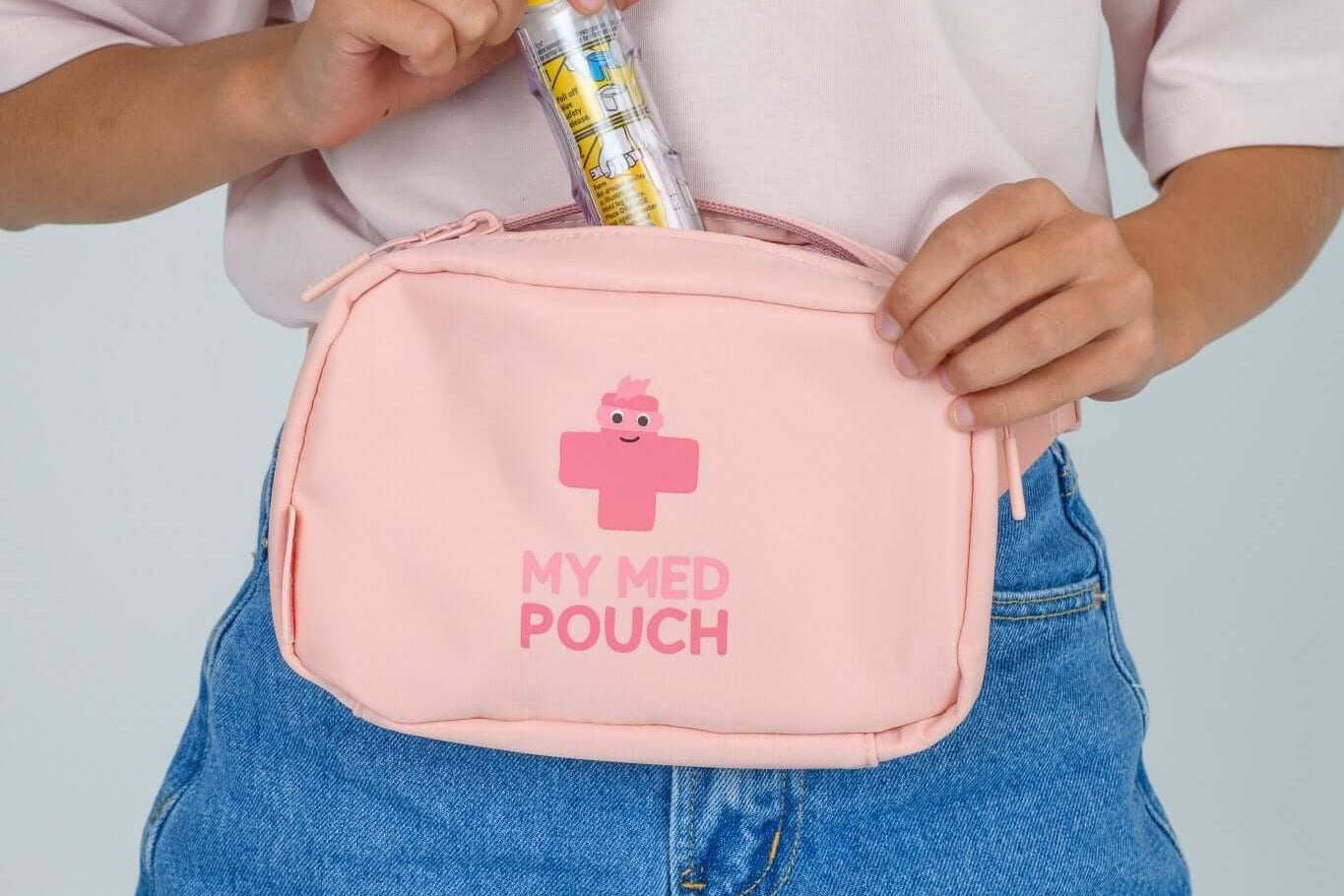
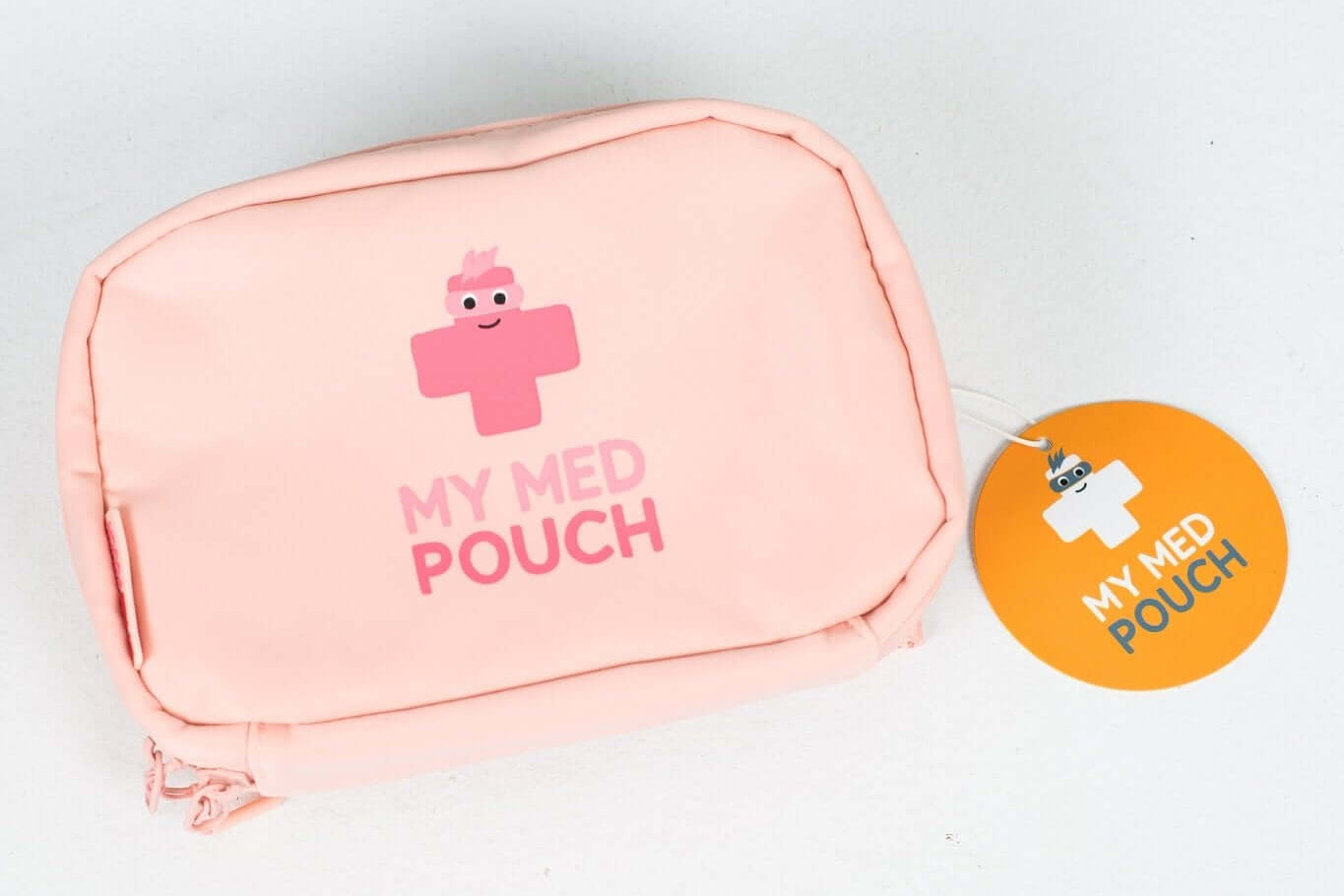
The Med Ready Bag is designed to help families carry allergy essentials together when out and about. Depending on your child’s needs, this might include EpiPens, antihistamine medication, and other prescribed items you choose to bring with you.
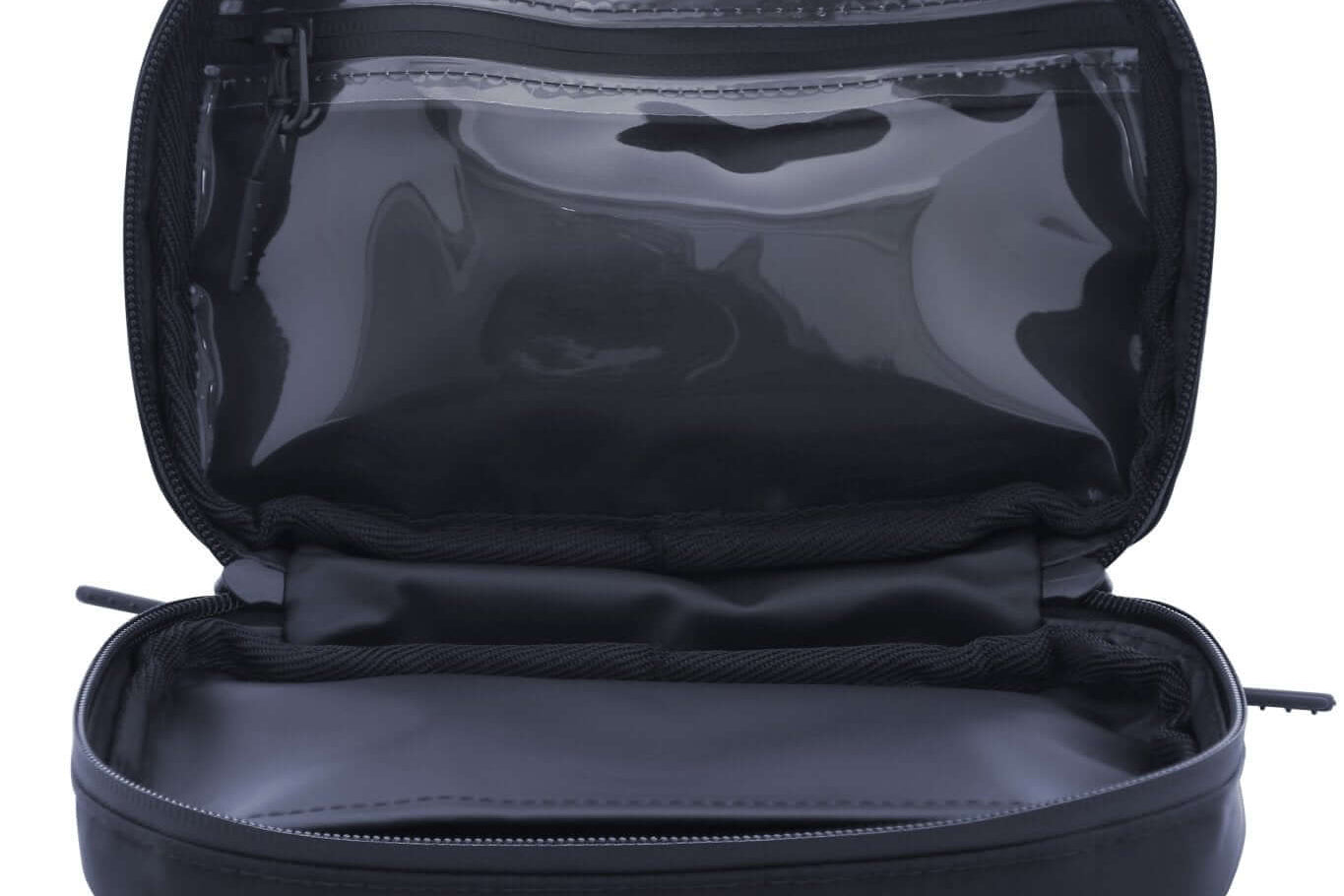
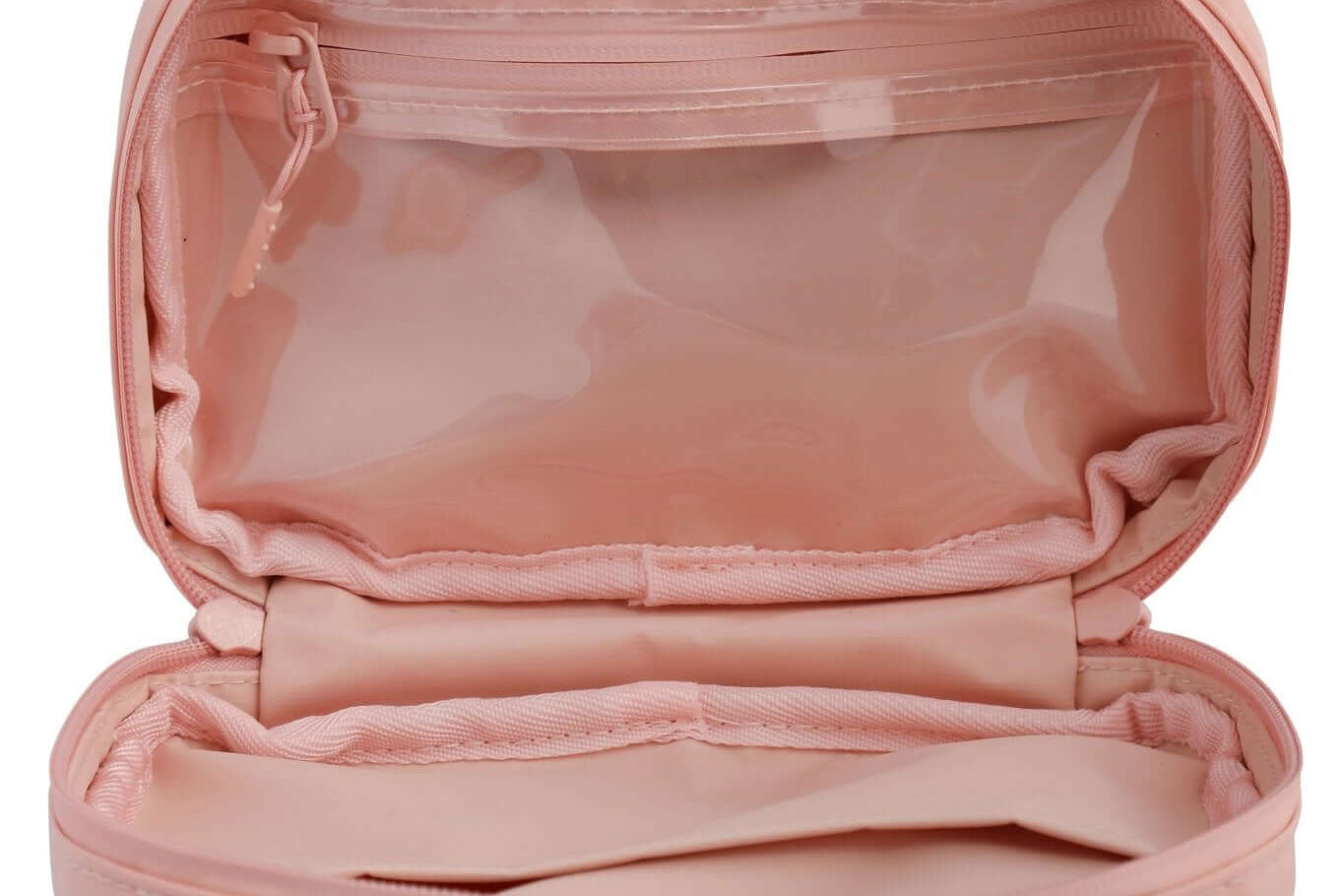
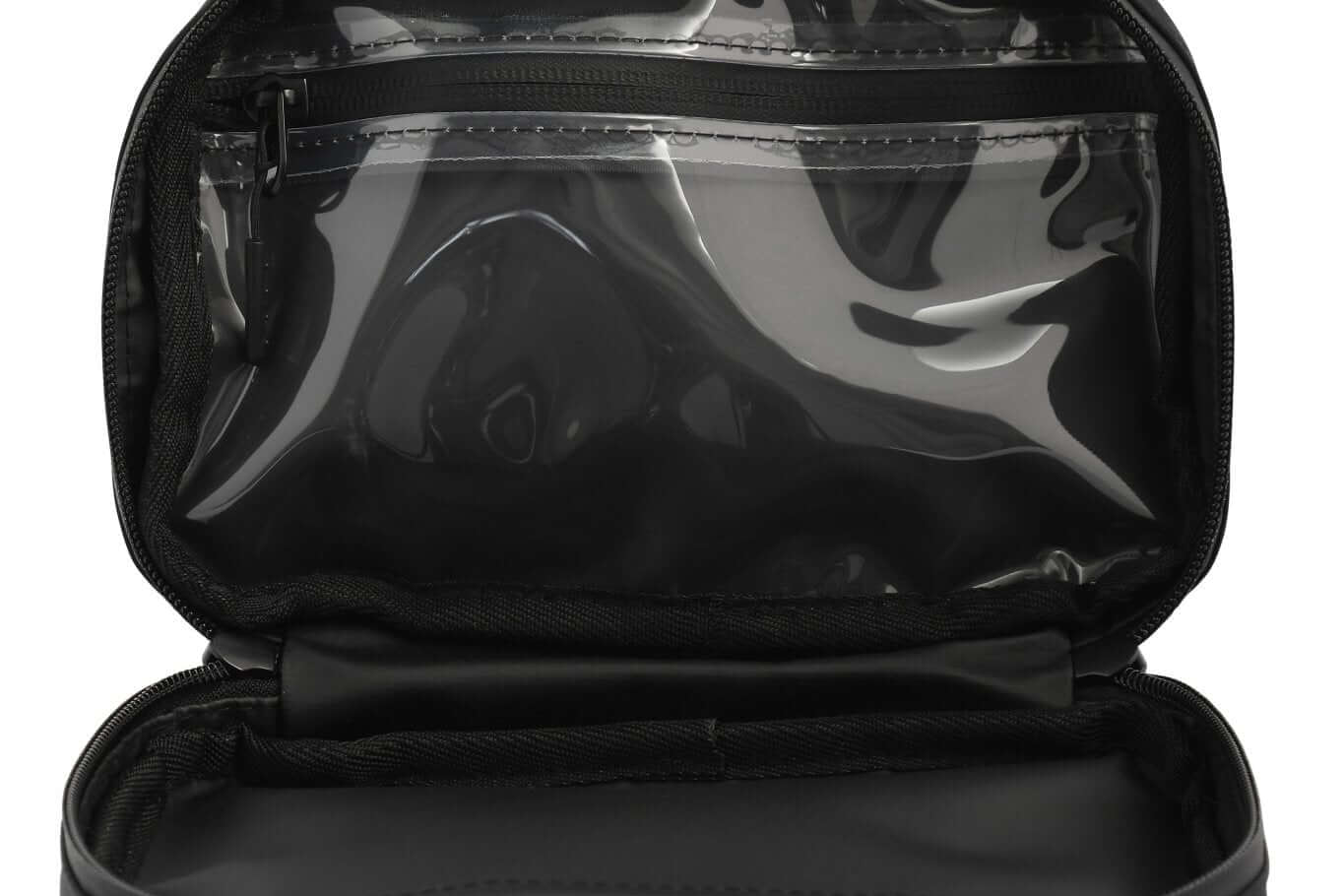
By keeping everything in one clearly organised, fully insulated pouch, it’s easier to grab what you need without digging through multiple pockets or bags. The internal layout helps items stay visible and easy to identify - supporting calm, everyday routines when you’re on the move.


A practical allergy pouch for everyday life
Living with allergies often means carrying medication everywhere - not just on big outings, but on quick trips, school days, everyday errands, and general travel.
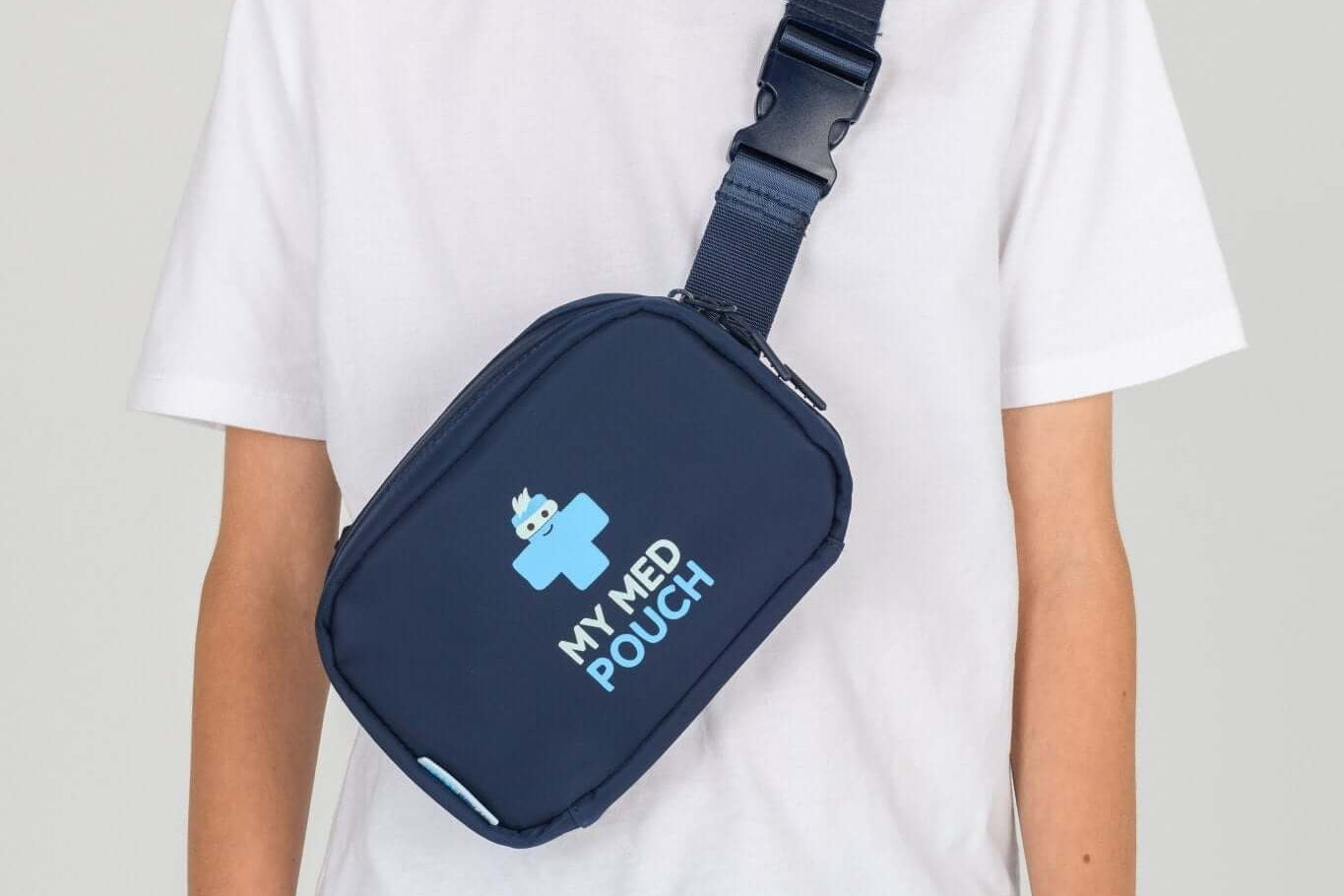
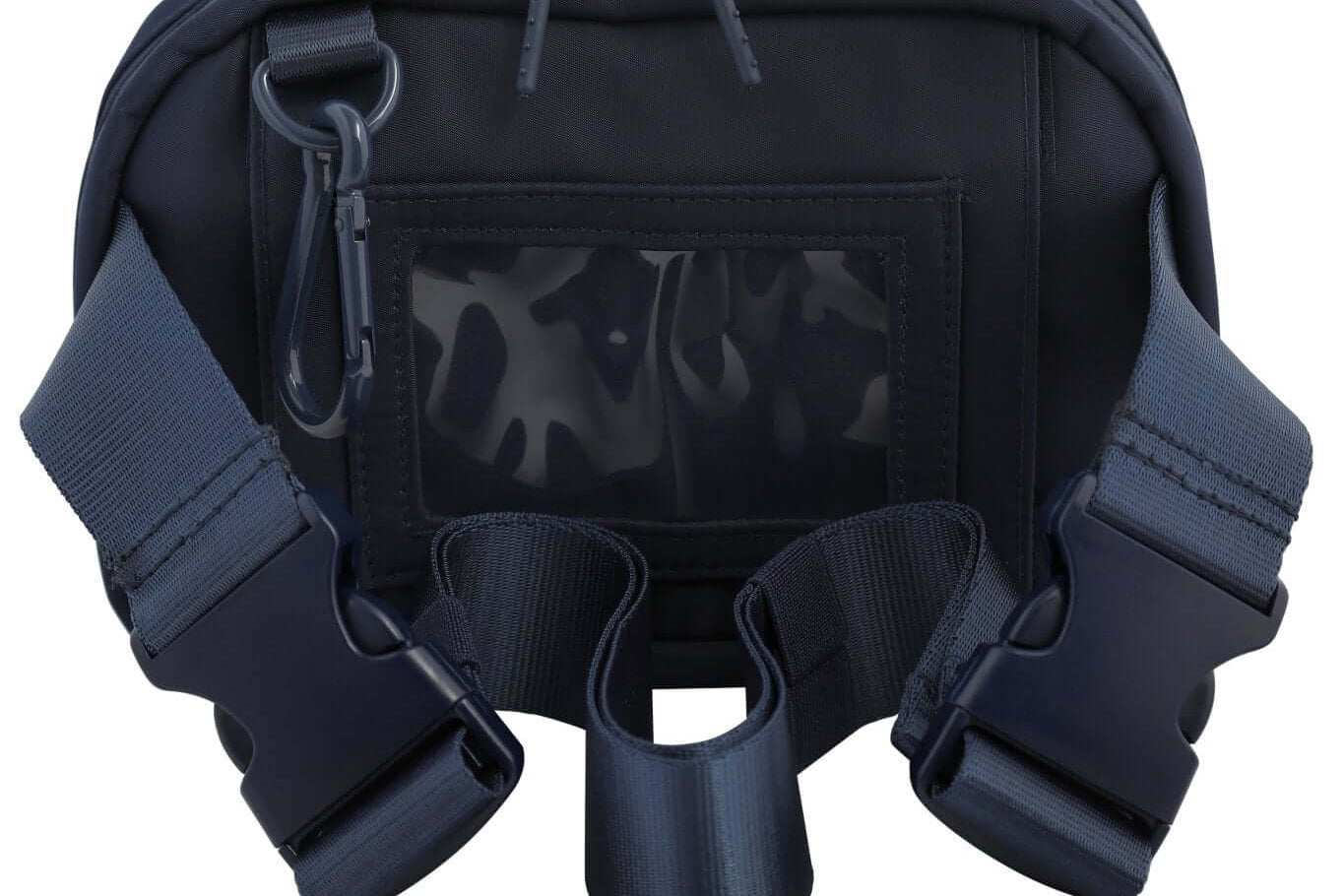
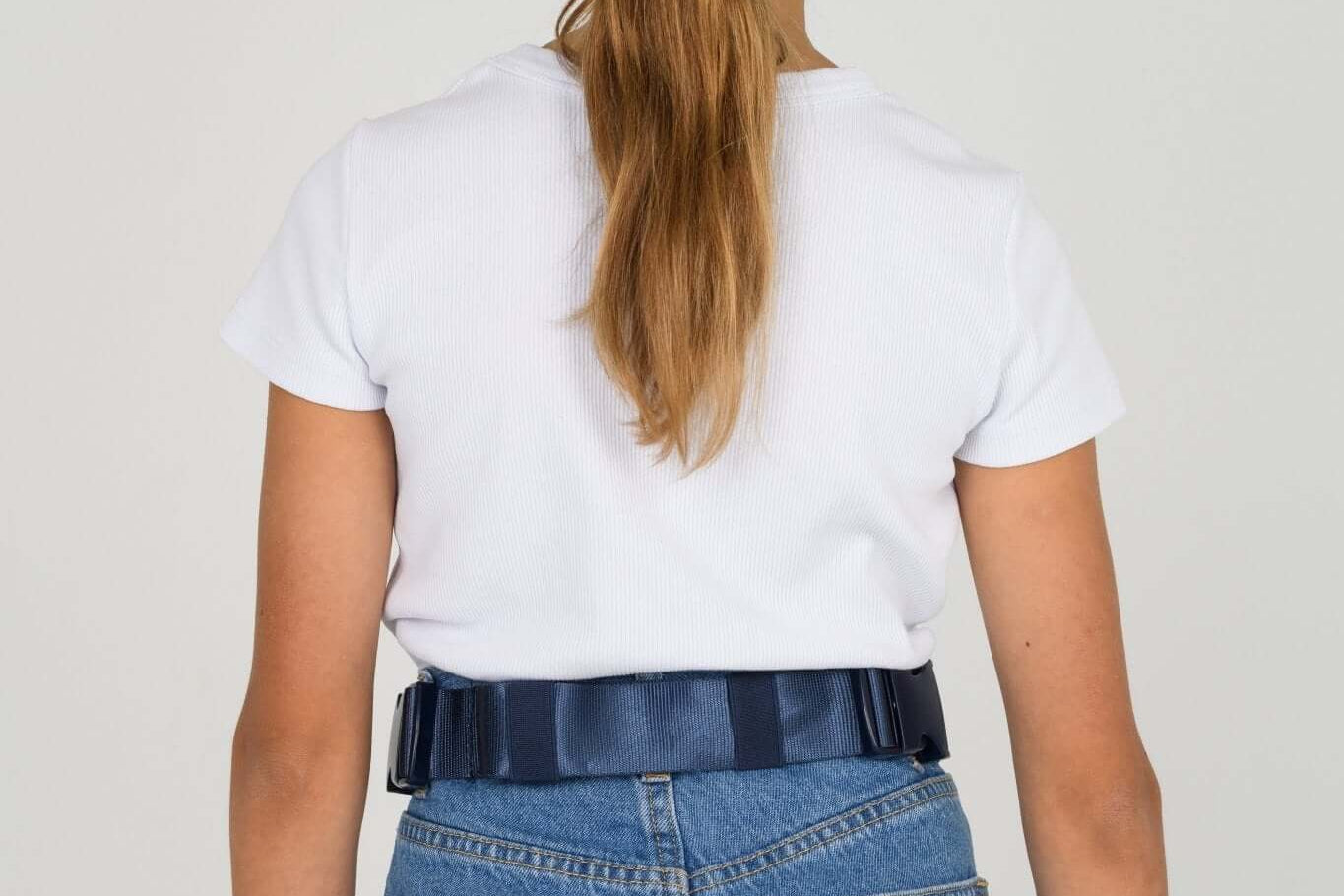
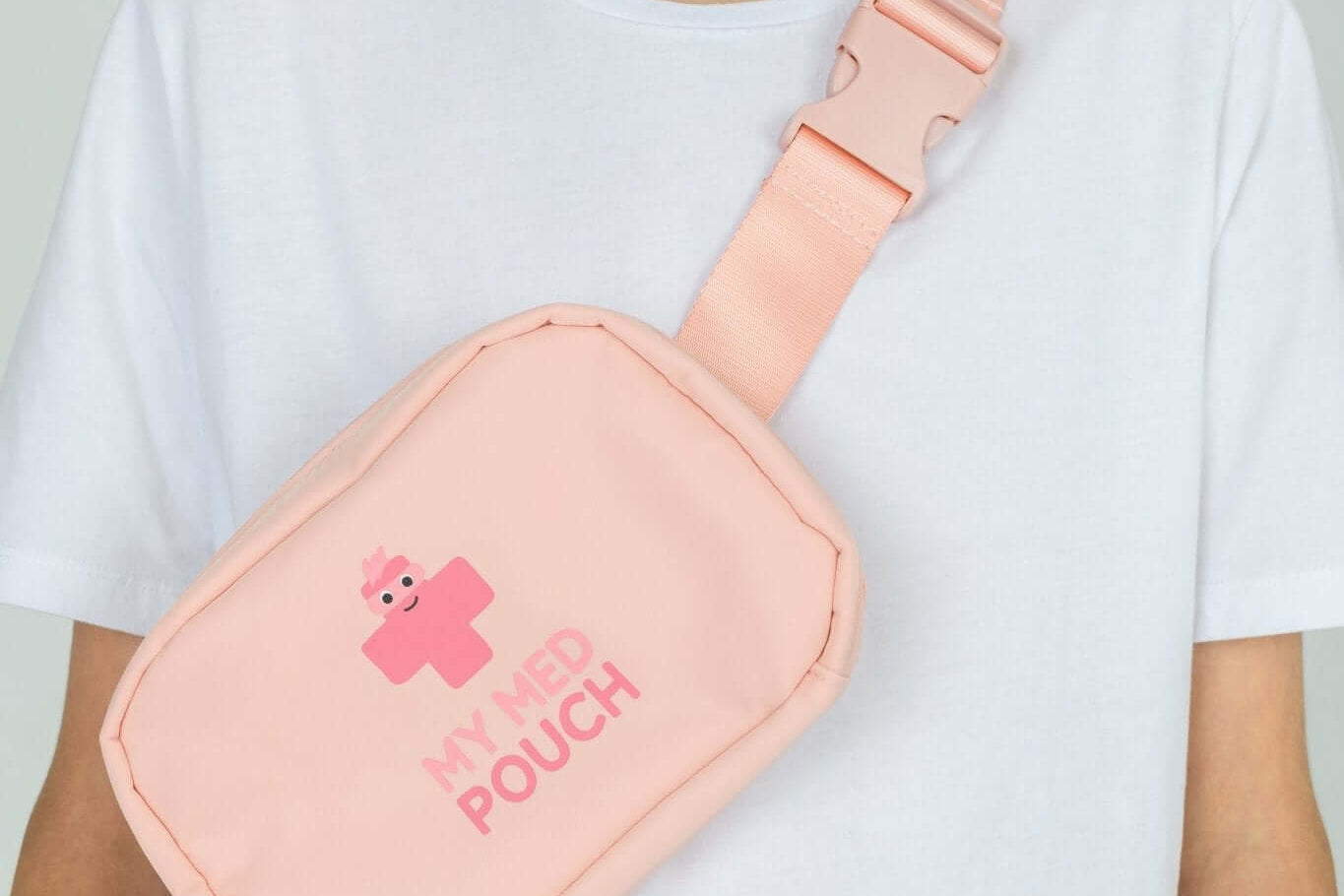
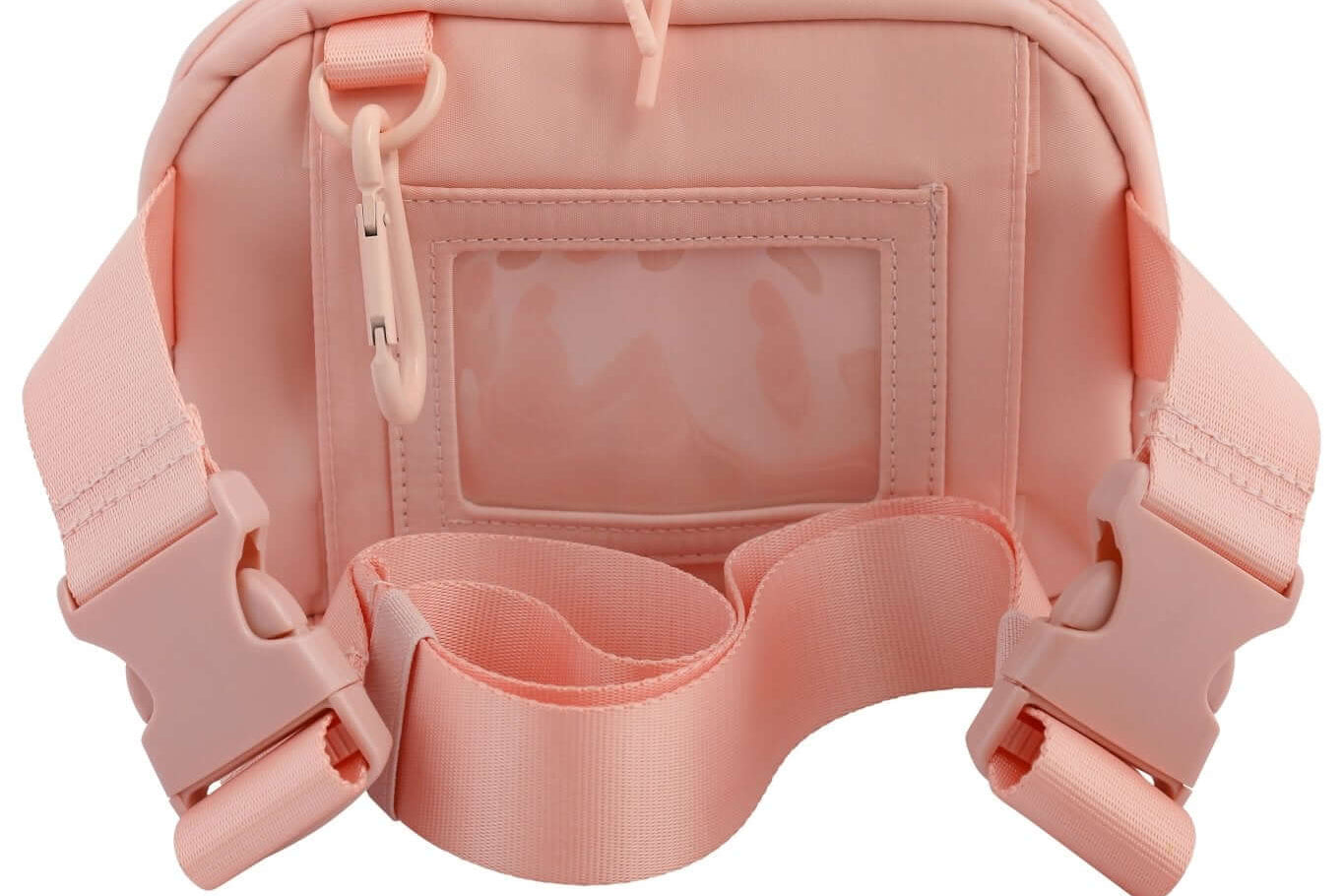
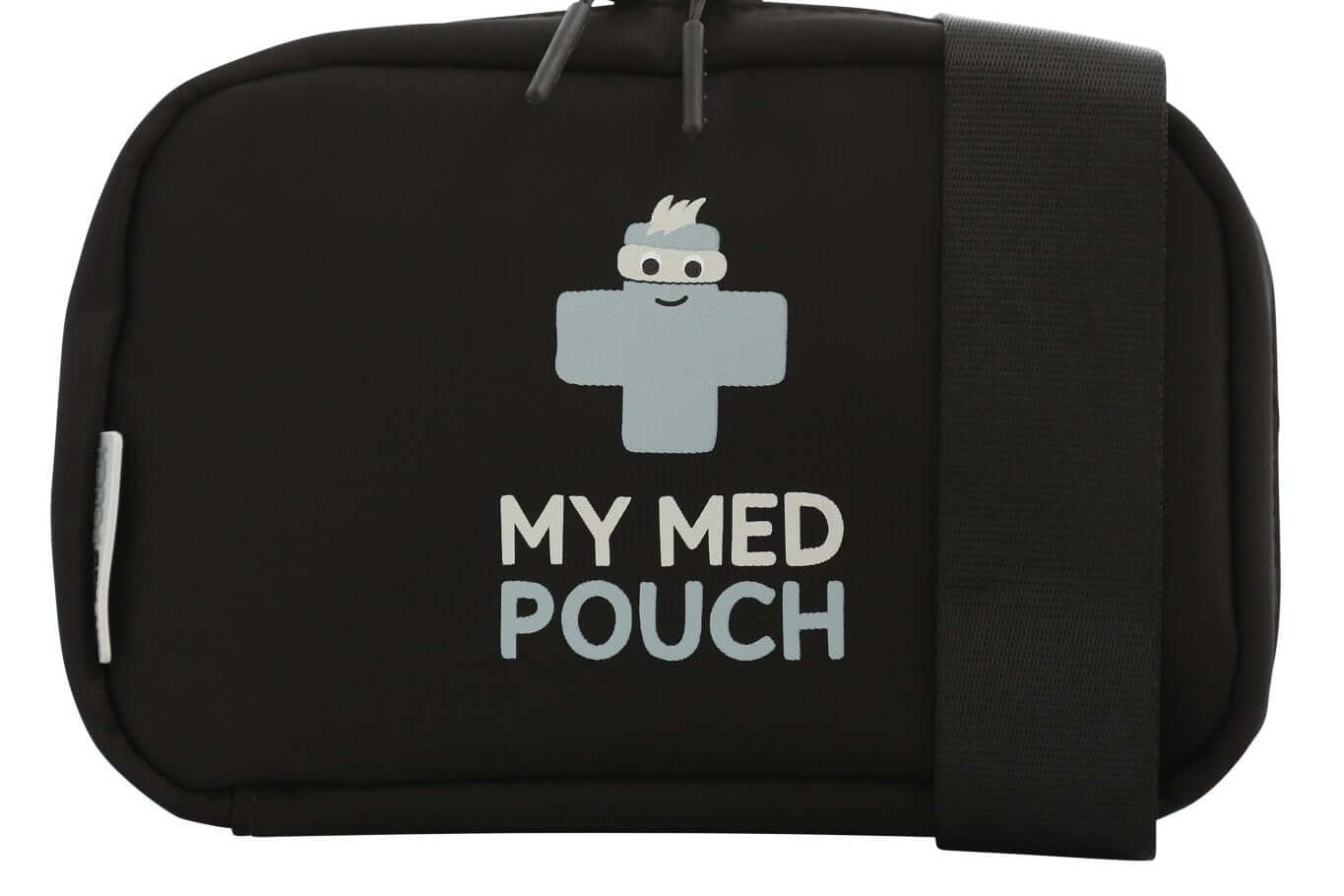
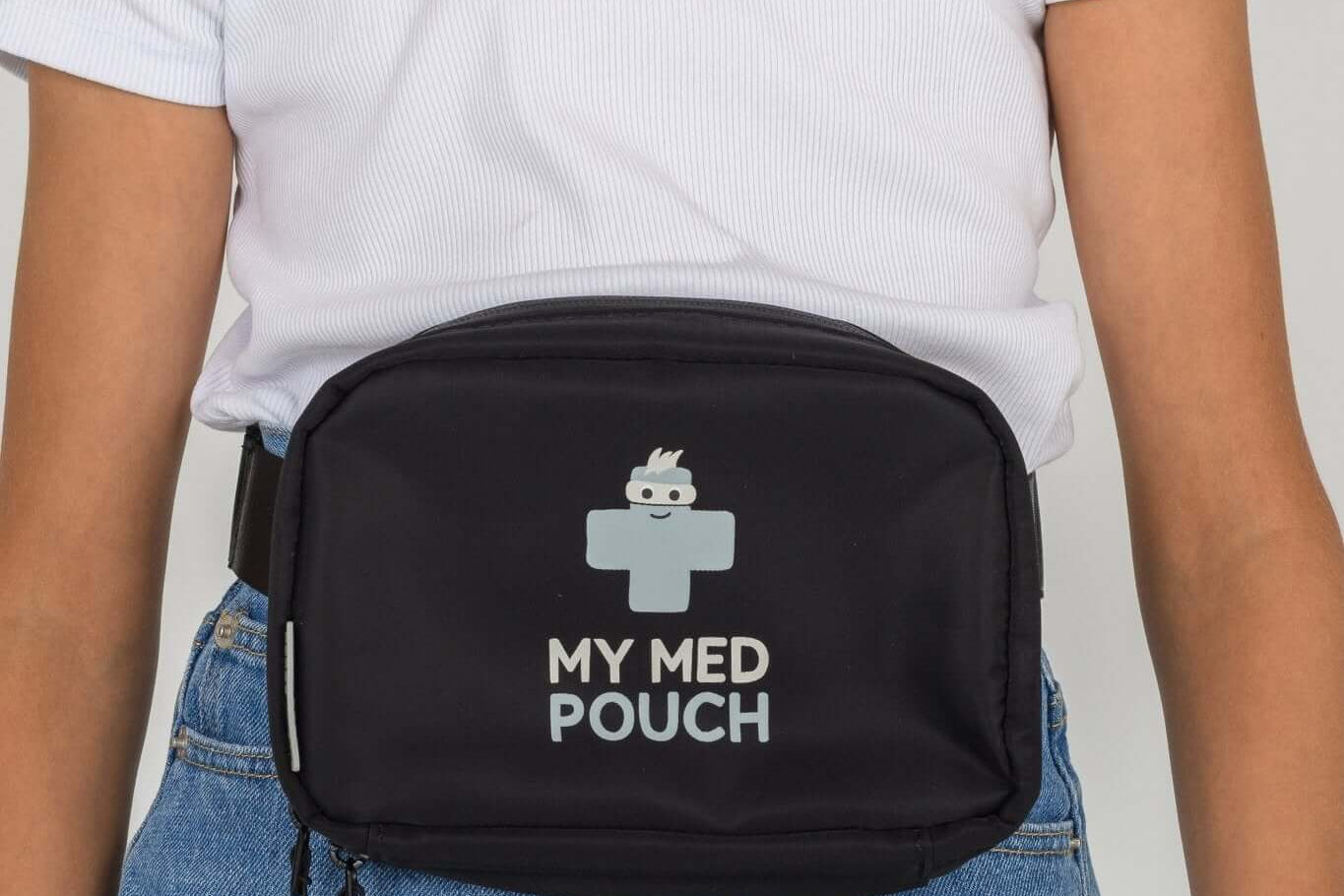
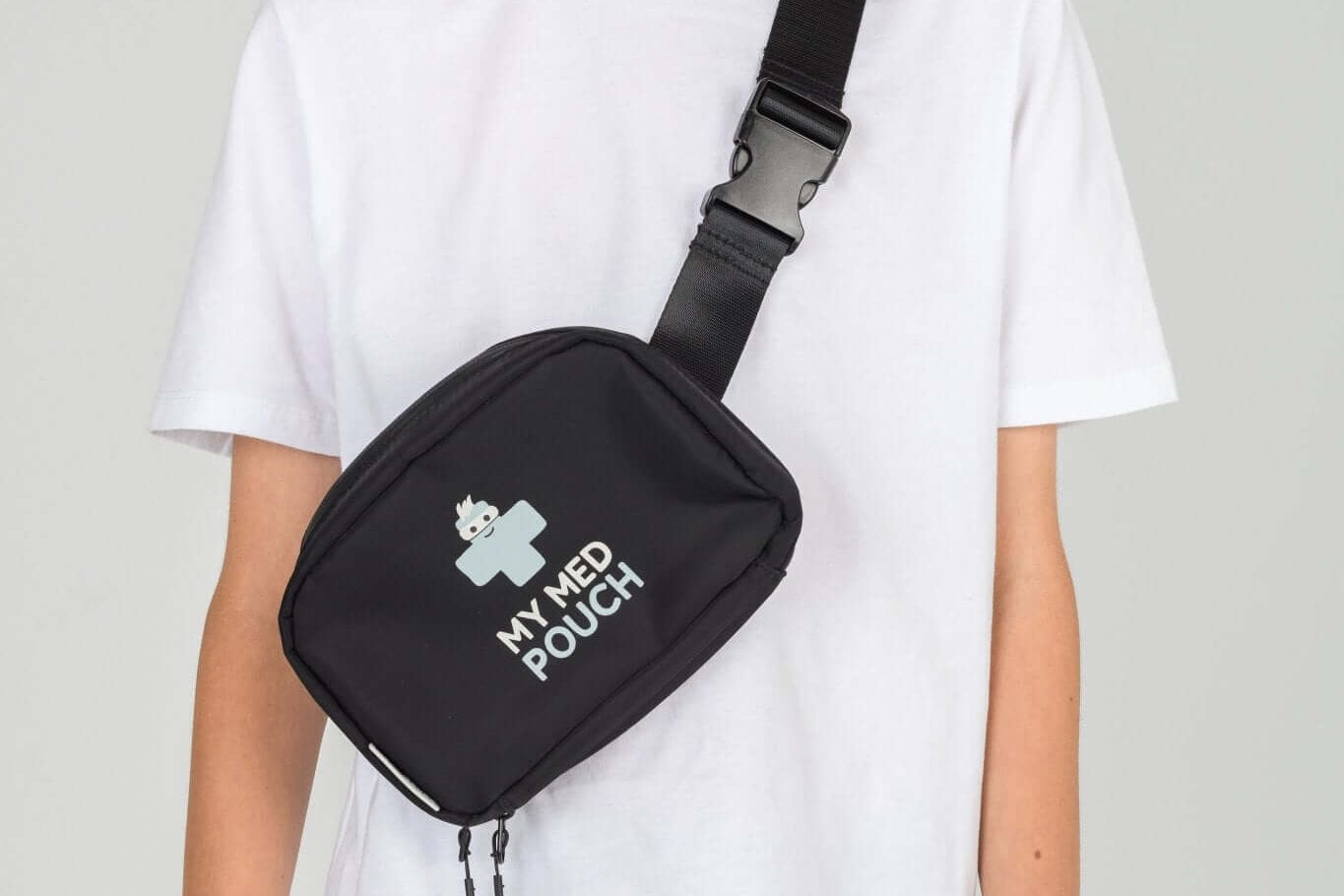
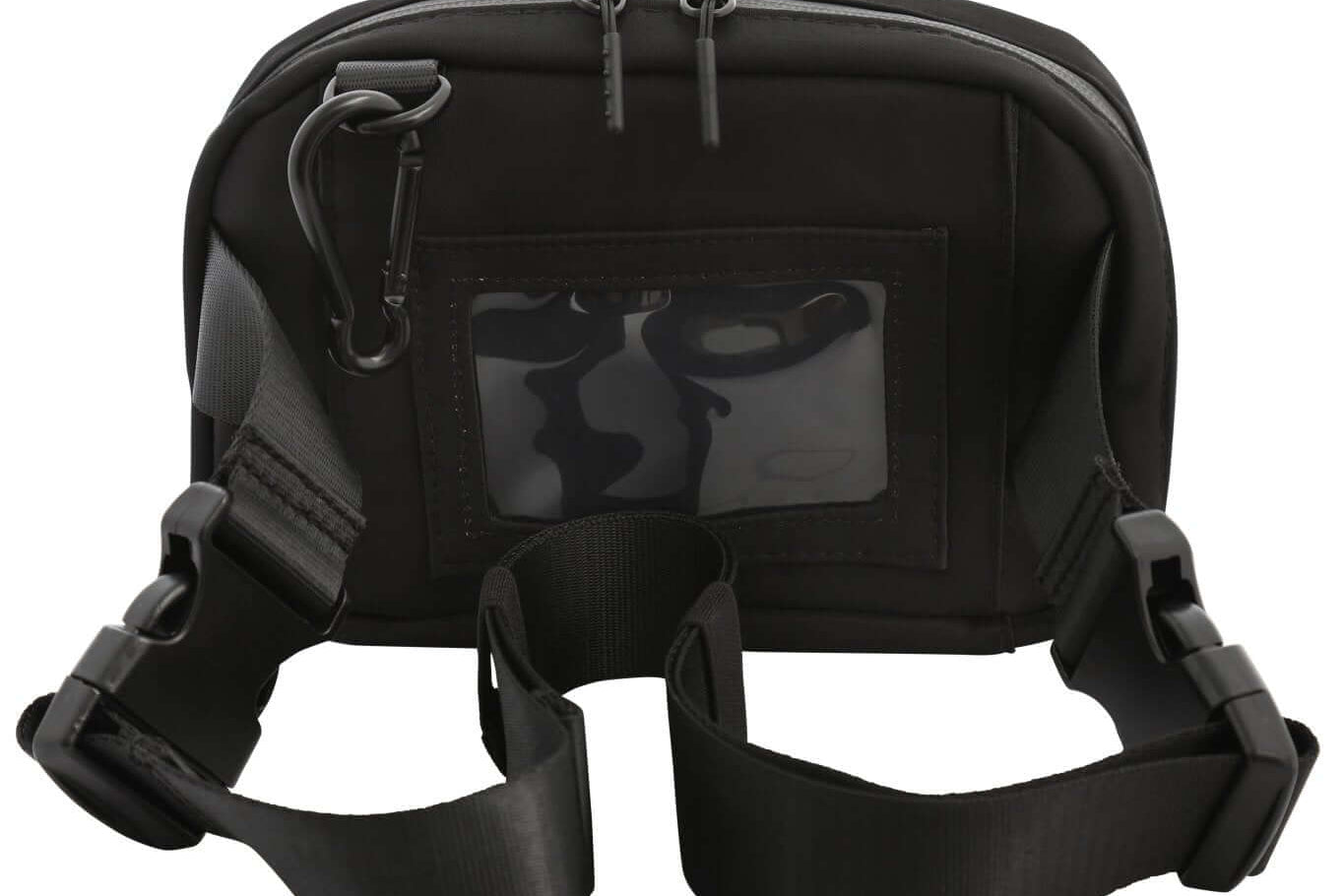
The Med Ready Bag works as a compact cooler bag for medication, designed to help keep allergy essentials organised and protected while you’re out and about. It can be worn crossbody or around the waist (like a bum bag or fanny pack), making it easy to keep essentials close without relying on bulky backpacks or digging through handbags. This is what makes us different to other EpiPen Bags.
Its fully insulated design supports everyday medication storage on the move, whether you’re heading out for a short errand or a full day away from home. Practical, comfortable, and easy to wear, it’s designed to fit into real life - not interrupt it.


Designed to protect what you carry, while you’re out and about
Some essentials - like EpiPens - are temperature-sensitive and need to be kept away from extreme heat, cold, and direct light. That’s exactly why the Med Ready Bag is fully insulated, helping support everyday storage when you’re on the go.
A helpful side note many families don’t realise: EpiPens have a small viewing window, so you can visually check the solution inside. When everything is stored in a dedicated pouch (instead of loose in a handbag), those quick checks and routines tend to feel much easier to stay on top of.
Frequently Asked Questions
-
The Med Ready Bag comfortably fits:
- Two EpiPens; and
- Antihistamine medication
With additional space for extra medications as needed.
-
Yes. The Med Ready Bag includes a thick insulated internal layer with double sided waterproof lining to help protect medications from extreme temperatures.
However, always follow manufacturer instructions for storage and use of all of your medications and avoid leaving the bag in direct sunlight, inside a hot car or in freezing cold temperatures.
-
Common childhood food allergies include milk, eggs, peanuts, tree nuts, and shell-fish.
Introducing high-allergy foods can feel overwhelming. Current guidelines recommend:
- Introducing one new food at a time
- Continuing to include tolerated foods regularly in your child's diet
- Avoiding rubbing food on a baby’s skin, as this may increase allergy risk
If you’re feeling unsure, speak with your GP, paediatrician, or maternal health nurse to create a safe introduction plan tailored to your child.
-
Signs of an allergic reaction may include:
- Swelling of the lips, face, or eyes
- Hives
- Vomiting after eating certain foods
- Tongue swelling
- Breathing difficulties
If symptoms are sudden or severe, seek urgent medical attention. A GP or allergy specialist can arrange appropriate testing if needed.
-
Provide the school or childcare centre with a medical bag that contains:
- An up-to-date allergy or anaphylaxis action plan
- All prescribed emergency medications clearly labelled
- Emergency contact details
Ensure staff are trained to recognise and treat allergic reactions, including anaphylaxis. Open communication and education within the school community help create a safer environment for your child.
-
Practising in a calm environment builds confidence. Training devices are available so children and carers can practise safely.
Some families also practise technique using an expired EpiPen on an orange to simulate use.
Ensure you and your child understand the anaphylaxis action plan, and consider completing an allergy-specific first aid course for added confidence.
-
A newer nasal spray adrenaline option (Neffy) has recently become available in some regions. It may be suitable for certain children; however, as it is new, many specialists recommend continuing to carry an EpiPen as well.
Always discuss treatment options thoroughly with your allergy specialist to determine what is safest and most appropriate for your child.